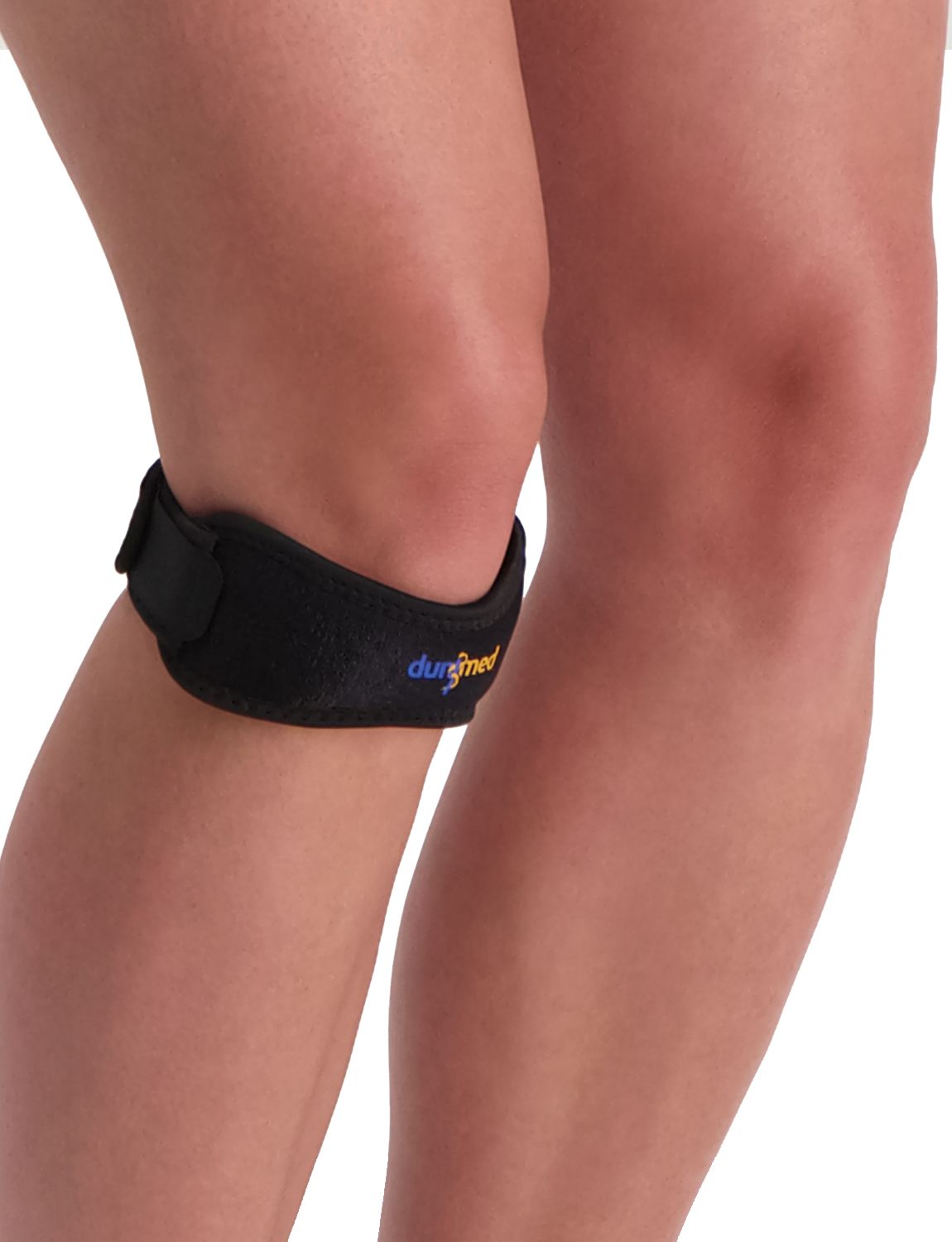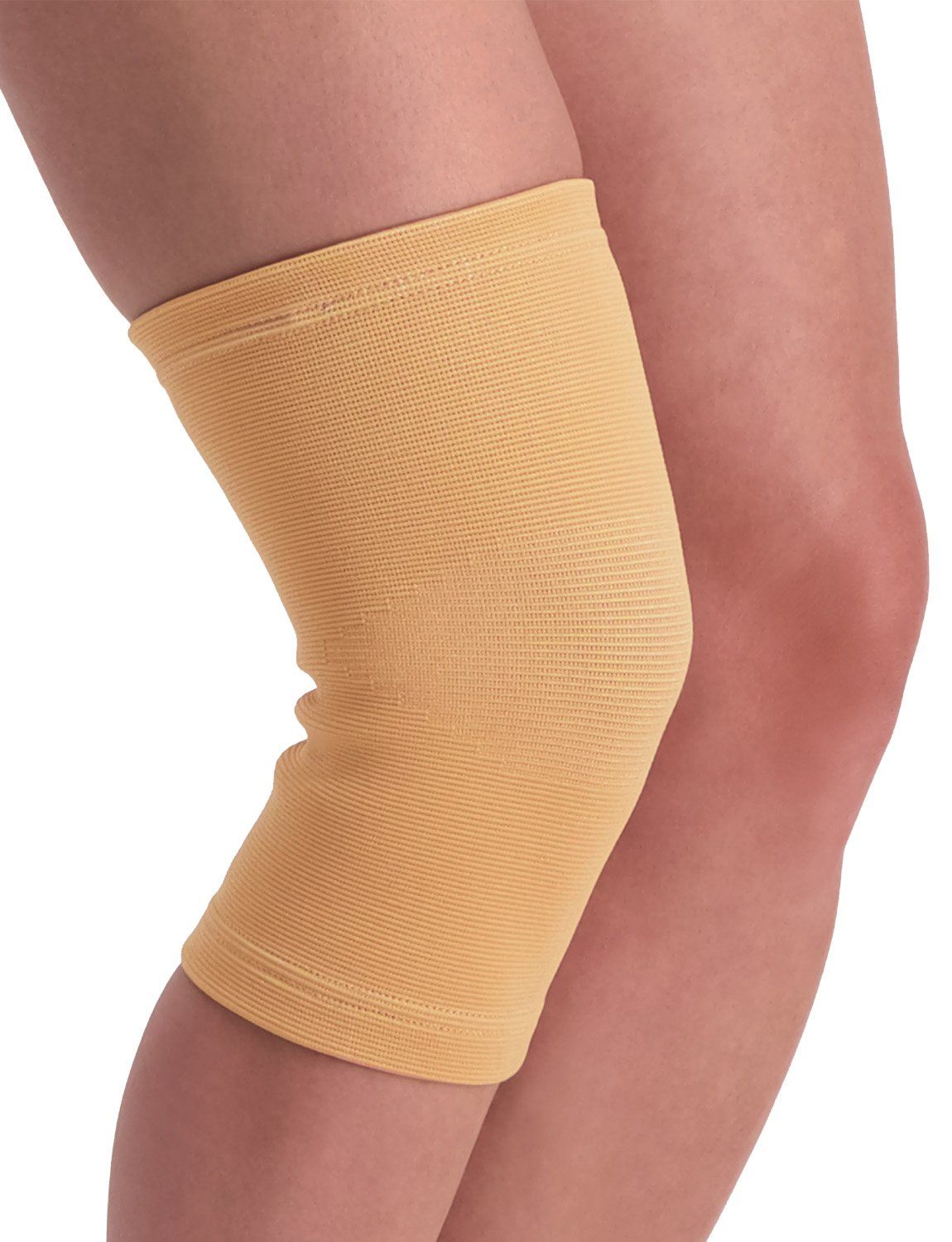



The right knee brace for your symptoms is one that supports you and reduces pain. Choosing the right knee brace for your symptoms can be difficult, especially if you don't know exactly what to look for or what the differences are between the various models. Fortunately, there are a few useful guidelines that can help you make the best choice. If you would like more information about which knee brace is right for your situation, please read on.
The blog in brief:
- The right knee brace depends on your complaint, activity and goal
- There are braces for sports, recovery, osteoarthritis and prevention
- Comfort and the right size are just as important
Why use a knee brace?
A knee brace is used to give your knee extra support in case of complaints or injury. A brace can also help to limit or guide movements. This allows you to continue moving more safely and prevents your complaints from worsening. Whether you are playing sports or recovering from an injury, a knee brace often provides the right support.
When is a knee brace suitable?
Not every knee complaint requires a brace, but in many cases it can certainly help. For example, if you suffer from instability, swelling or pain when walking or playing sports. A knee brace is also often recommended for conditions such as osteoarthritis. Are you unsure whether a knee brace is suitable for your situation? Always consult a specialist.

Which knee brace do I need?
There is a wide range of knee braces available, so it is understandable that you may find it difficult to choose. The right choice depends on your complaint, but also on your body and your daily activities. A knee brace for osteoarthritis is different from a brace for sports or recovery after surgery. Below, we explain the different types available and what they do.
- A knee brace for osteoarthritis relieves the knee joint and reduces pressure on the cartilage.
- A knee brace for the kneecap stabilises the patella and prevents displacement.
- A sports knee brace provides compression and prevents overload
- A knee brace after surgery protects against incorrect movements and aids recovery
Consider your symptoms and the criteria that the braces serve. This will help you find the right knee brace easily.
How do you choose the right knee brace for your symptoms?
To choose the right knee brace, it is important to know your symptoms well. Do you have pain on the inside of your knee? Or does your knee feel unstable when moving? This determines the type of support you need. Your activities are also important: do you play a lot of sport, or do you mainly need support when walking? Take this into account in your decision-making process.
What is a knee brace suitable for?
A knee brace can be used in many different situations. Both for acute injuries and chronic conditions such as osteoarthritis. Preventive use in sports is also common. It is therefore not a device intended solely for rehabilitation. Consider the following applications:
- To support knee pain caused by overexertion or incorrect movement
- For osteoarthritis to relieve the joint and reduce pain
- During or after exercise to keep the knee stable
- After surgery or injury to support recovery
What if you are unsure about using a knee brace?
It is logical to have doubts about using a brace. Many people wonder whether it will weaken their muscles or make them dependent. However, a well-chosen knee brace provides support without completely taking over your natural movements. Seek advice from a specialist and choose a model that suits your symptoms and activities.

How do you put on a knee brace correctly?
A knee brace must fit properly to be effective. Too loose means too little support, and too tight can impede blood circulation. Always take the time to choose the right size and follow the manufacturer's instructions carefully. If your brace has adjustable straps, make sure the pressure is evenly distributed. Follow the steps below to wear the brace correctly:
- Put on the brace while sitting with your leg slightly bent
- Make sure the knee is properly centred in the knee hole of the brace
- Close any Velcro straps from bottom to top
- After a few minutes, check that the brace remains in place without slipping down
What if you have trouble choosing a knee brace?
Sometimes there is simply too much choice and you don't know where to start. In that case, you can use an online selection guide. There are also tools that allow you to compare products or get advice. At Podobrace, there is also a team of specialists ready to help you make your choice.
What is a good knee brace for osteoarthritis?
Osteoarthritis in the knee requires a brace that reduces strain and alleviates pain. There are special models with a hinge or pad that distribute the pressure on the knee joint. These braces are often slightly sturdier and provide targeted support during daily activities such as walking or climbing stairs.
When is it best to use a knee brace?
You can use a brace during daily activities so that it provides support at these times. Do not wear the brace all day. A maximum of 8 hours. It is important to give your skin and muscles a rest.
How do I choose the right knee brace for my symptoms?
Choosing the right knee brace starts with understanding your symptoms and needs. Consider the nature of your pain, your activities and the comfort you are looking for. Take the time to compare different options and seek advice if necessary. At Podobrace, we have several knee braces that can help you. Do you have any questions about our braces? Feel free to contact our team of specialists. We are here to help you.