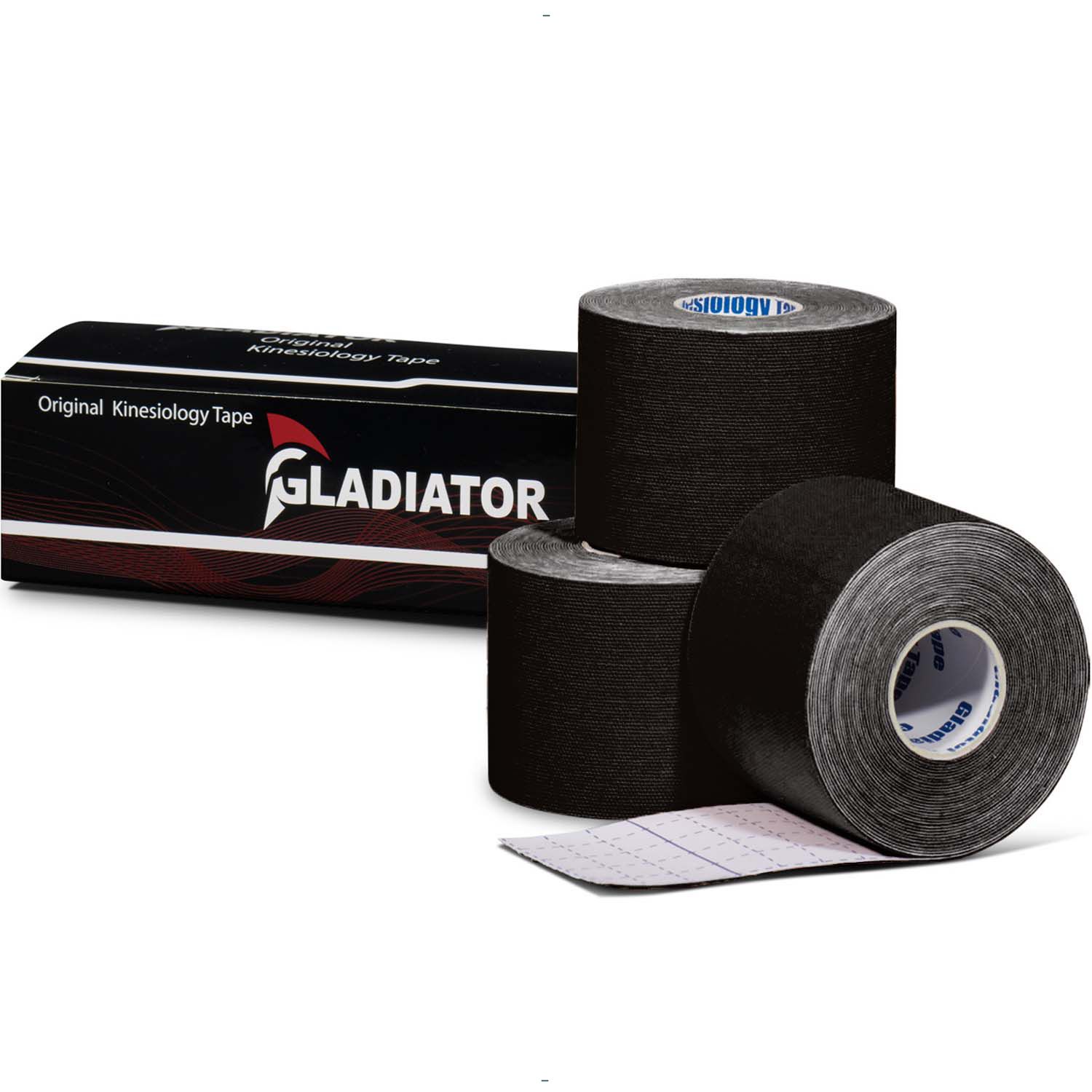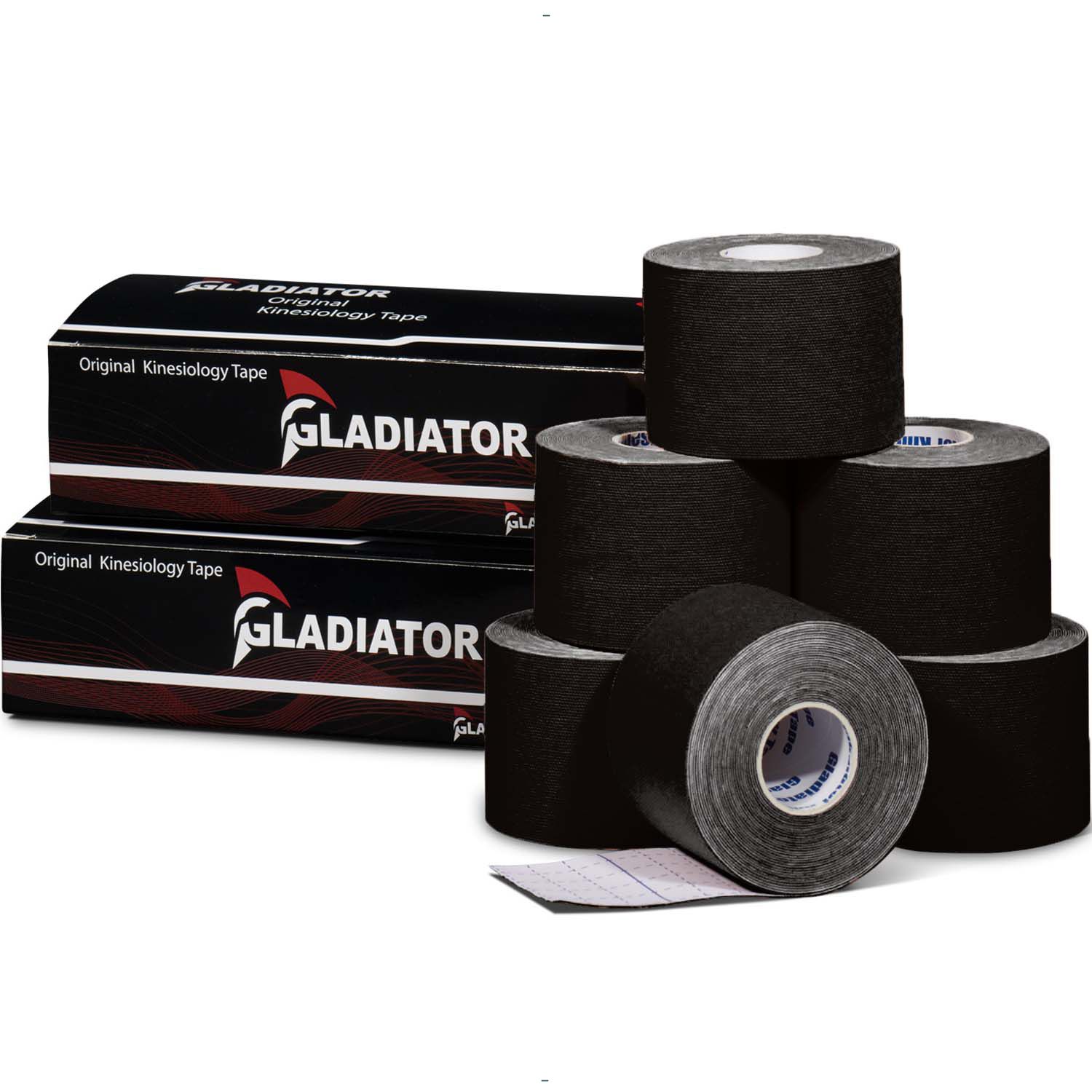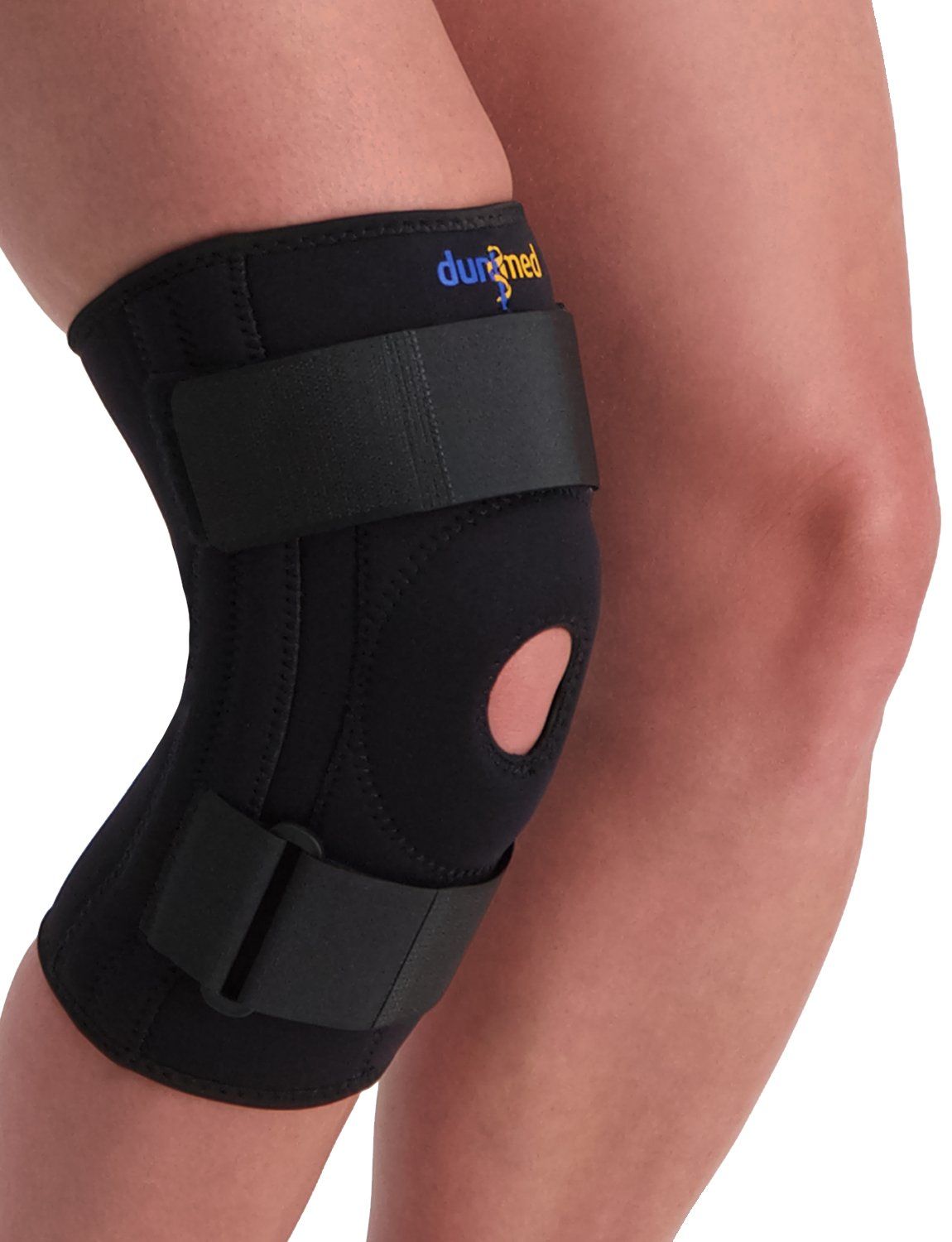


Taping the knee or using a brace? What is the best choice for your knee problem
What is better for the knee: taping or a brace? Both options provide support, but they differ significantly in ease of use, effectiveness and purpose. Taping is useful for short-term use and acute injuries, whereas a brace is more suitable for long-term support.
In this blog, we explain what works best for your situation, whether you are active in sports, recovering from an injury or looking to protect your knee preventively. Want to know which type of support is most effective for your knee complaint? Then read on.
This blog in brief:
- Taping provides temporary and targeted support for the knee
- A brace is reusable, easy to apply and ideal for daily use
- The choice depends on your injury, lifestyle and personal preference
Why choose knee taping?
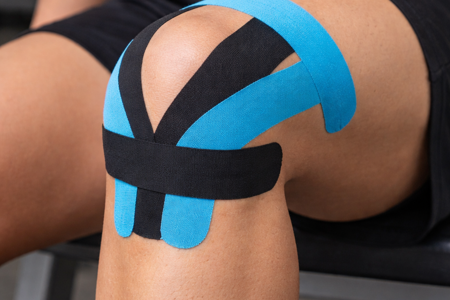
Taping is a commonly used technique among athletes and in physiotherapy. It provides targeted support to the knee and helps to restrict or guide certain movements. Think, for example, of knee complaints such as a feeling of instability, overuse or pain around the kneecap. Knee taping can help with:
- Light compression to reduce swelling
- Support of the kneecap (patella) in conditions such as runner’s knee
- Stabilisation of the knee during sporting activities
- Improving proprioception (balance and control)
When is it better to use a knee brace?
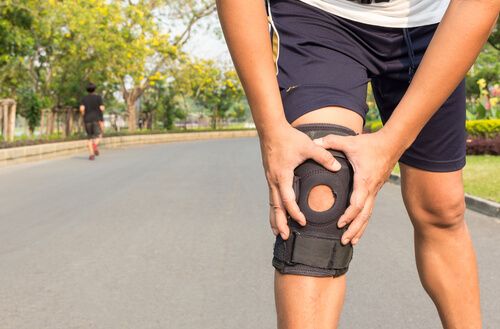
A knee brace is particularly suitable for long-term use or during daily activities. Braces are easy to put on, reusable and provide consistent support without the need for reapplication. Other benefits of a knee brace include:
- Easy to apply yourself without the help of a specialist
- Suitable for daily use such as work, walking or sports
- Provides long-lasting and consistent support
- Available in various models, from light support to firm stabilisation
- Also available in discreet and comfortable options to wear under clothing
How do you make the right choice?
Not sure whether to choose taping or a brace? That’s understandable. The right choice depends on your situation. For an acute injury or during intensive sports, taping may provide sufficient support. However, for long-term complaints, recovery after an injury or preventive use, a knee brace is usually the better option.
What can you do after a knee injury?
After a knee injury, it is important to gradually strengthen and stabilise your knee. Consider conditions such as a strained ligament, meniscus problems or overuse. A proper and gradual recovery process is essential:
- Start with light exercises to build mobility and strength
- Use a brace to prevent overloading
- Alternate rest with controlled movement
- Gradually increase the load, possibly with guidance from a physiotherapist
What is better for your knee: taping or a brace?
The choice between knee taping and a brace depends on your situation. If you have an acute complaint or engage in intensive sports, taping can be a good solution. If you are looking for long-term, comfortable and reusable support, a knee brace is often the better choice.
At Podobrace, you will find a wide range of knee support and sports tape to support recovery, prevention and everyday use. Our team of specialists is happy to help you make the right choice. Do you have any questions? Please feel free to contact us.