


When is a knee brace necessary? Many people ask themselves this question as soon as they experience knee pain when moving, working or exercising. A knee brace can offer relief in cases of instability, overexertion or recovery after an injury. The right support at the right time not only helps to reduce symptoms, but also helps you maintain your freedom of movement. Would you like to know exactly when a brace can benefit you? Then read on.
The blog in brief:
- A knee brace provides support for pain or instability in the knee
- A brace also helps with osteoarthritis or sports injuries
- Different braces are suitable for different complaints or situations
What are common reasons for using a knee brace?
Knee complaints often arise from overexertion, incorrect movements or wear and tear. Think of pain on the inside of the knee while running or a twisted knee after sports or work. In such cases, a brace provides stability without completely restricting your movement. A brace can also reduce the strain of an overexerted knee or weakened knee ligaments.

Fewer complaints during daily activities
If your knee suddenly feels unstable, or you have a nagging pain after exercise, it is often a good time to consider extra support. Many people find that they experience fewer complaints during daily activities when wearing a brace. This can make all the difference, especially if you want to continue exercising or working. A brace can also help prevent further damage, especially in cases of repeated strain.
How does a knee brace help with osteoarthritis?
Osteoarthritis in the knee causes the cartilage to wear away, resulting in pain, stiffness and reduced mobility. A knee brace for osteoarthritis helps to reduce the pressure on the affected areas. This makes it easier to keep moving and prevents overexertion. For people with chronic symptoms, a brace is a way to stay active for longer.
Prevents posture problems
With customised support, the brace helps to relieve pain without having to rest the knee completely. This means you can continue walking, performing light activities and moving with more confidence. It also prevents you from unknowingly walking in the wrong posture, which can cause new complaints in the hip or back. For osteoarthritis, choose a comfortable brace that does not pinch and stays in place.
What else can you do besides wearing a knee brace?
A brace is not a miracle cure, but an aid that supports recovery. That is why it is important to take other steps as well. These include muscle-strengthening exercises, getting enough rest and avoiding movements that put a lot of pressure on the knee. This can speed up recovery, especially in the case of an overworked knee or after an injury.
Are you unsure about your recovery?
If you are in pain, do not continue exercising or doing heavy work without proper guidance. Strengthening your knee ligaments can help prevent future injuries. In case of bruising, it is wise to cool the area, keep your knee elevated and pay close attention to your body's signals. If you have doubts about your recovery, ask a physiotherapist for advice.
How do you choose the right knee brace?
The question “which knee brace do I need?” is often asked by people who have complaints or want to prevent complaints. The choice depends on your activity, type of complaint and personal preference. Runners benefit from a light, flexible brace, while someone with osteoarthritis is better off choosing a model that provides targeted relief.
What to look for when buying a knee brace
A good brace should be comfortable, stay in place and provide sufficient support without restricting movement. Durability and material are also important, especially for daily use or intensive use. If possible, try out different models and choose one that suits your situation. The Push knee brace, for example, is popular with athletes and people with osteoarthritis.
How long should you wear a knee brace?
This varies depending on the complaint. In the case of temporary strain, a brace may be sufficient after just a few weeks. In the case of osteoarthritis or instability, long-term use may be necessary, depending on how your knee responds. Pay close attention to how you feel and consult a specialist about its use if necessary.
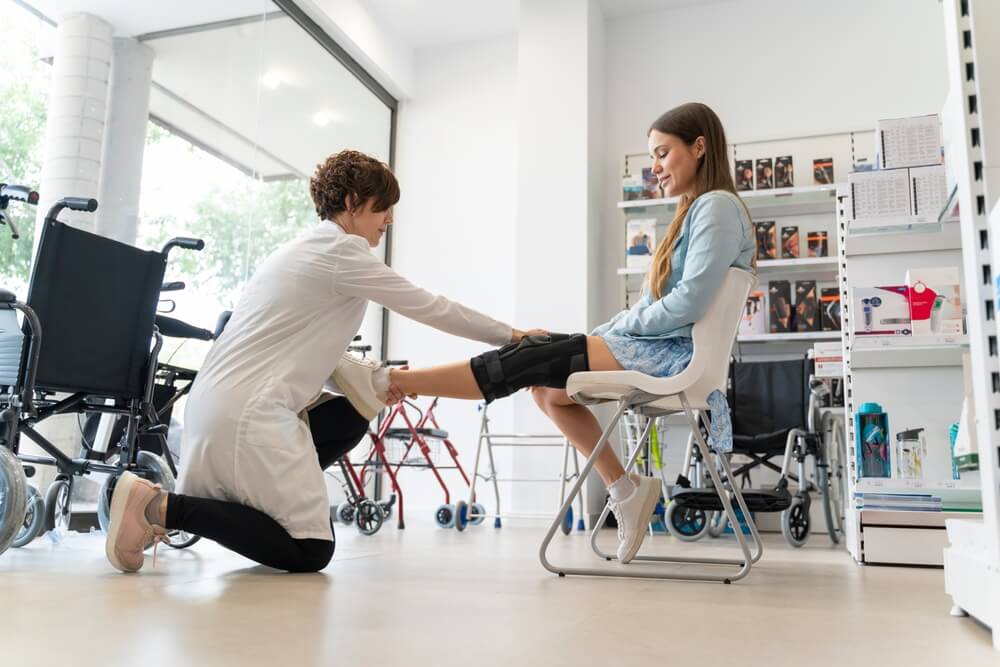
Suffering from complaints? Then a knee brace may be the right solution
Whether you suffer from osteoarthritis, strain or instability, a knee brace can be the right aid. A brace also offers relief for pain on the inside of the knee or instability while running. By choosing the right support in good time, you can reduce your symptoms and remain active. At Podobrace, we have several knee braces for different symptoms that can help you with support and recovery.
Do you have questions about which knee brace is best for you? Please contact the team of medical specialists at Podobrace. We are happy to help you.