


Osteoarthritis - Clavicle
With collarbone arthritis, wear and tear occurs in the collarbone joint (AC joint), where the joint between the collarbone and shoulder blade becomes affected. This can cause pain under the shoulder, especially during movement or strain. These symptoms can be reduced with appropriate treatments and support, such as wearing a brace. In this blog, you will learn all about the causes, symptoms and possible treatment options, so you can move pain-free again soon.
What is arthritis of the AC joint?
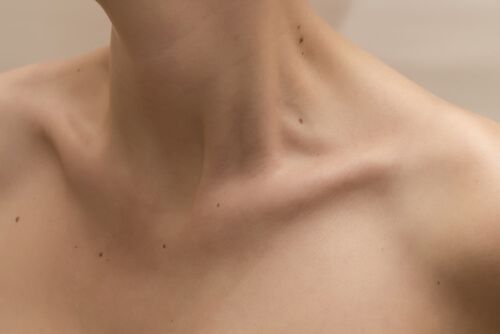
In the shoulder, the collarbone is connected to the shoulder blade. This joint is called the acromioclavicular joint (AC joint). In arthritis of this joint, the cartilage wears down, causing the bone ends to rub painfully against each other. This condition can develop gradually and is often the result of long-term strain.
What are the causes of AC arthritis?
The shoulder is used intensively in daily activities and work. People with physically demanding jobs or repetitive movements have a higher risk of overloading the AC joint. A common cause is also a dislocation (when the joint pops out of place), often after a fall on the shoulder. Both long-term strain and acute trauma can lead to arthritis.
What are the symptoms of collarbone arthritis?
Collarbone arthritis can be recognised by a cracking or grinding sensation during movement. There is also often pain when lifting objects or at night when the shoulder is at rest. The pain may radiate to the upper arm and shoulder blade. Non-surgical treatments can often relieve symptoms quickly.
How is collarbone arthritis diagnosed?
If shoulder pain persists, it is advisable to consult a doctor or physiotherapist. During a physical examination, they will assess where the pain is located and how the joint moves. They will also discuss when the symptoms started and in which situations they worsen. If necessary, additional imaging such as an X-ray or ultrasound can be used.
Which treatment for collarbone arthritis?
After the examination, a non-surgical or surgical treatment can be chosen. Most often, treatment starts with a conservative approach through physiotherapy. The goal is to reduce pain and improve joint function. Below you can find the treatment options clearly explained.
Non-surgical treatment
A non-surgical treatment often consists of a combination of medication and physiotherapy. The physiotherapist will guide you with targeted exercises and advice about posture and load. Other possible treatment options include:
- Injection into the AC joint for pain relief
- Wearing a shoulder brace for support
- Anti-inflammatory medication on prescription
- Mobilising exercises for the shoulder
When these options do not provide enough relief, surgery can be considered as a last step.
Surgical treatment
In persistent cases, an orthopaedic surgeon performs a lateral clavicle resection. In this procedure, 6 to 10 millimetres of the end of the collarbone are removed. This prevents the bone from making contact with the shoulder roof, which significantly reduces pain. After surgery, the body forms scar tissue that prevents further irritation.
What can you do yourself for collarbone arthritis?
Haven’t started a physiotherapy programme yet? There are already a few things you can try at home to reduce symptoms. These tips will not repair the wear and tear but can make pain-free movement possible. Try the following tips consistently for a few weeks:
- Keep your shoulder blades back when standing and sitting
- Avoid lifting your arm
- Wear a brace during strenuous activities
- Do not perform heavy exercises with the shoulder or arm
- Do not move your arm across your body
- Lie as little as possible on the affected shoulder
Treating collarbone arthritis
Do you recognise these symptoms? Try to reduce strain on your shoulder and avoid sleeping on the painful side. If the symptoms persist, consult a doctor or physiotherapist for a personal treatment plan.
At Podobrace, we offer a special posture corrector and collarbone brace designed in collaboration with physiotherapists. These help relieve the shoulder during recovery. Do you have any questions? Please feel free to contact us. Our specialists are ready to advise you.


- Physiotherapist
- Sports podiatrist
- Manual therapist
- Podopostural therapist
- Myofascial dry needling specialist